Working While Studying in Canada
Eligible international students may be able to work while completing their studies in Canada. Employment can provide practical experience, help students develop professional skills and create opportunities to build Canadian workplace connections while completing an academic program.
Study, Work and Build Experience
International students who meet Immigration, Refugees and Citizenship Canada requirements may be authorized to work while studying. Depending on the conditions attached to their study permit and their individual circumstances, eligible students may be able to work on campus, off campus or complete a required student work placement.
Understanding your study permit conditions, working-hour limits and eligibility requirements is essential before beginning employment. Students may only start working after their study program has begun.
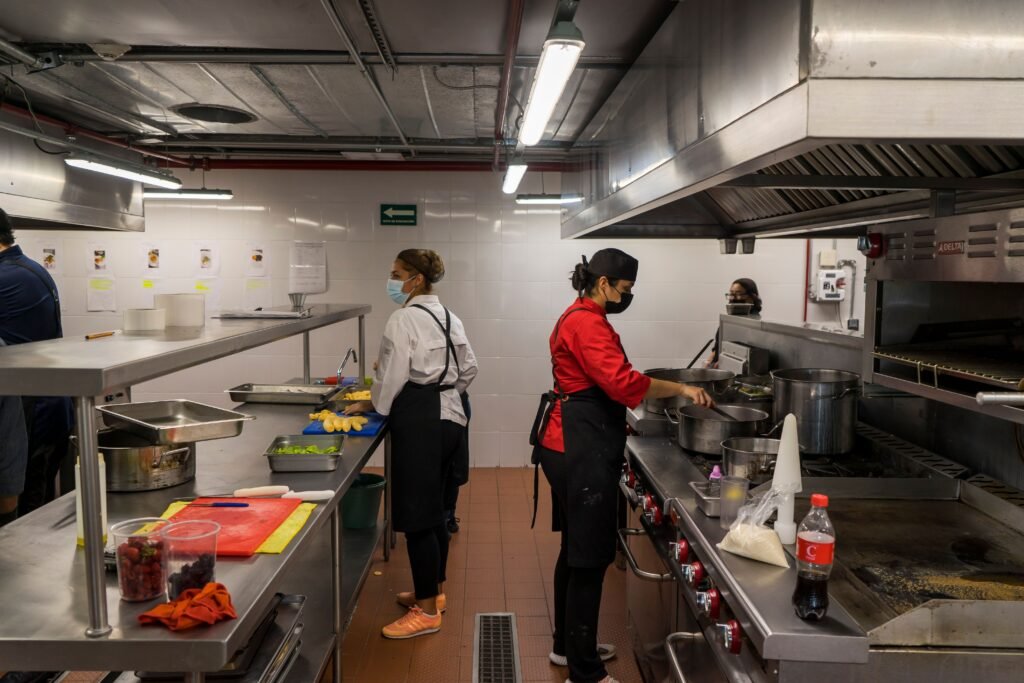
Working While Studying in Canada
The rules differ depending on whether the employment takes place on campus, off campus or as part of a required student work placement.
Working On Campus
Eligible international students can work on their school campus without obtaining a separate work permit when they meet IRCC’s requirements. Students cannot begin working before their study program starts.
To work on campus, eligible students generally need to:
- Be a full-time student at a Designated Learning Institution (DLI).
- Be enrolled in an eligible post-secondary academic, vocational or professional training program, or an eligible secondary-level vocational program in Quebec.
- Hold a valid study permit or have applied to extend it before it expired.
- Have the appropriate condition printed on the study permit authorizing work.
- Have a valid Social Insurance Number (SIN).
Students who meet the requirements may work for their school, a faculty member, a student organization, certain private businesses or contractors operating on campus, or themselves where the business is physically located on campus.
No Weekly On-Campus Hour Limit
IRCC currently places no weekly hour limit on eligible on-campus employment during regular academic sessions or scheduled school breaks. Students must continue meeting all eligibility requirements.
Working Off Campus
Eligible international students may also work off campus without obtaining a separate work permit when their study permit contains the required work authorization and they continue meeting IRCC’s eligibility conditions.
Common eligibility requirements include:
- Holding a valid study permit or maintained student status.
- Studying full time at a Designated Learning Institution, subject to limited exceptions such as an eligible final semester.
- Being enrolled in an academic, vocational or professional training program.
- Studying in a program that is at least six months long and leads to a degree, diploma or certificate.
- Having a study permit condition that authorizes off-campus employment.
- Having a valid Social Insurance Number.
Up to 24 Hours Per Week During Regular Study Periods
Eligible students may work up to 24 hours per week off campus while regular classes are in session. The total applies across all off-campus jobs combined.
Working During Scheduled Breaks
Eligible students may work unlimited off-campus hours during a qualifying scheduled break established by their DLI, such as certain summer or winter holidays or reading weeks, provided they continue to meet the applicable conditions.
A scheduled break must meet IRCC’s definition. For example, a statutory holiday or ordinary long weekend by itself is not considered a scheduled break.
Co-op, Internships & Student Work Placements
Many Canadian post-secondary programs include mandatory workplace learning such as co-op placements, internships, practicums or other approved student work placements. These opportunities allow students to apply classroom learning in a workplace environment.
For an eligible post-secondary student work placement, IRCC currently requires conditions including:
The Placement Must Be Required
The work placement must be required to complete the student’s academic program.
Confirmation from the DLI
The student must have a letter from the Designated Learning Institution confirming that the work placement is a program requirement.
Valid Student Status
The student must hold a valid study permit or have applied to extend the study permit before it expired.
Full-Time Study
The student must generally be studying full time at a DLI in an eligible post-secondary academic, vocational or professional training program.
Placement Cannot Exceed 50% of the Program
The work placement portion of the study program must total 50% or less of the overall program.
Study Permit Work Condition
The student’s initial study permit must contain a condition indicating that they are authorized to work on campus. Students who are otherwise eligible but do not have the required condition may need to request an amendment before participating.
There is currently no weekly hour limit specifically for an eligible student work placement, although the placement itself cannot total more than 50% of the study program.
Social Insurance Number (SIN)
A Social Insurance Number is a nine-digit number required to work legally in Canada and to be paid through Canadian employment. Temporary residents who are authorized to work must have a valid SIN.
SINs issued to temporary residents normally begin with the number 9 and expire according to the expiry date of the immigration document that authorizes the person to work.
Students should keep their SIN information updated when their immigration document or status changes.
Balance Employment with Your Studies
Work experience can be valuable, but your academic program remains the primary purpose of your stay as an international student. Managing your schedule carefully can help you balance coursework, employment and personal responsibilities.
Students should also keep records of their work hours and remain aware of changes to their enrolment, study permit or academic schedule that may affect their eligibility to work.
Planning Your Studies in Canada?
Newman Global Education Group can help you explore Canadian institutions and programs, understand admission requirements and prepare for your education journey.
For questions about your legal authorization to work, study permit conditions or Canadian immigration status, students should rely on current IRCC information or advice from an authorized Canadian immigration representative.
Contact Newman Global Education GroupOfficial Work & Study Resources
Government of Canada — Work as an International Student
IRCC — Work On Campus as an International Student
IRCC — Work Off Campus as an International Student